Uncover the Vital Services Offered by a Professional Arborist for Maintaining Healthy Trees
A professional arborist delivers a variety of services essential for maintaining healthy trees and beautifying outdoor spaces. Their expertise in tree pruning encourages growth and mitigates hazards. They also assess and handle tree diseases, guaranteeing customized treatment plans are established - Florence Arborist. Additionally, arborists perform safe tree extractions and aid in planting and transplanting. Their role is even more vital during emergencies such as storm damage. Knowing these services can profoundly influence one’s additional info approach to tree care
The Significance of Tree Pruning
Although many homeowners might ignore the necessity of tree pruning, it serves a vital function in preserving the health and aesthetics of trees. Effective pruning aids trees in developing a robust structure, removing dead or diseased branches that could present dangers. By carefully cutting branches, the tree can concentrate its resources on healthy growth, fostering superior air movement and sunlight penetration. Additionally, pruning can enhance the overall appearance of the tree, contouring it for attractiveness in residential landscapes.
Moreover, regular pruning can avoid possible dangers, such as dropped branches during storms or high winds, which could damage property or cause personal injury. It also helps prevent of pest infestations and diseases by enhancing the tree's hardiness. Ultimately, hiring professional arborists for tree pruning ensures trees stay healthy, safe, and visually pleasing, contributing considerably to the overall beauty and value of the property.
Diagnosing and Managing Tree Diseases
Tree health can be greatly compromised by different illnesses that may not always be immediately evident. A professional arborist plays an essential role in identifying these issues promptly, utilizing a combination of visual inspections and diagnostic tools. Symptoms such as discolored leaves, wilting, or abnormal growth habits often signal underlying health issues. Arborists evaluate these signs to pinpoint particular diseases, whether fungal, bacterial, or viral in nature.
When the problem is identified, the tree specialist creates a tailored management plan. The plan often involves focused interventions, such as fungicides or bactericides, and maintenance techniques that improve the tree's strength. Additionally, adequate irrigation, mulching, and nutrition helps greatly enhance the vitality of the tree and resistance to diseases. Regular monitoring and subsequent care are critical to effective management, guaranteeing the lifespan and vigor of the trees. By taking a proactive approach to tree diseases, professionals preserve the ecological advantages and visual appeal that healthy trees offer.
Secure Methods for Tree Extraction
Proper tree felling methods are essential for guaranteeing the safety of the crew and limiting harm to adjacent areas. Expert tree specialists conduct a comprehensive evaluation of the tree's condition, its location, and the immediate vicinity before proceeding with removal. Arborists use specific tools, such as rigging equipment and chainsaws, to ensure accurate cutting and control during the felling process.
A well-planned removal strategy involves spotting possible dangers, such as nearby buildings or utility lines, which can affect the security of the job. Professionals commonly utilize the process called "sectional dismantling," in which the tree is removed in smaller segments, lessening the hazard posed by dropping wood.
In addition, professionals comply with municipal guidelines to guarantee compliance and environmental stewardship. After the removal, thorough clearing and removal of the tree debris, stump treatment as well, contribute to the overall safety and look of the landscape.
Tree Planting and Relocation
The process of tree establishment requires careful consideration of choosing the location and planting techniques to ensure future vitality and successful establishment. Choosing the correct site significantly influences a tree's development, while proper planting methods minimize stress and promote successful establishment. Arborists emphasize these factors as essential for enhancing the strength and endurance of trees in any landscape.
Choosing the Right Location

Selecting an appropriate site for planting or transplanting trees is essential for their sustained health and success. Considerations including the condition of the soil, sunlight exposure, and water runoff must be thoroughly assessed. Tree care professionals assess the site's characteristics, to guarantee that the chosen spot offers sufficient nourishment and proper foundation for the trees. Furthermore, the proximity to existing structures and surrounding flora is critical to avoid resource contention and steer clear of future injury. Arborists also consider the tree’s full-grown dimensions and underground network, guaranteeing enough area for development. By conducting a thorough site analysis, arborists enable clients make informed decisions that promote healthy, thriving trees, which boosts the landscape’s visual appeal and natural benefits.
Optimal Planting Methods
Once the site has been carefully assessed and selected, the next step involves using optimal methods for planting trees. Preparing the planting hole correctly is crucial; it should be two times wider than the root mass and no deeper than the root system itself. The plant must be positioned in the opening so that the upper surface of the roots aligns with the surrounding soil. Backfill with native soil, ensuring there are no air pockets, and water thoroughly to help the roots settle in initially. Adding a layer of mulch near the trunk assists in keeping water in and keep weeds down. Florence Arborist. If moving mature plants, care must be taken to reduce root trauma and relocate the plant in its resting phase for the highest rate of success. Implementing these practices fosters healthy growth and longevity
Responding to Storm-Related Tree Hazards
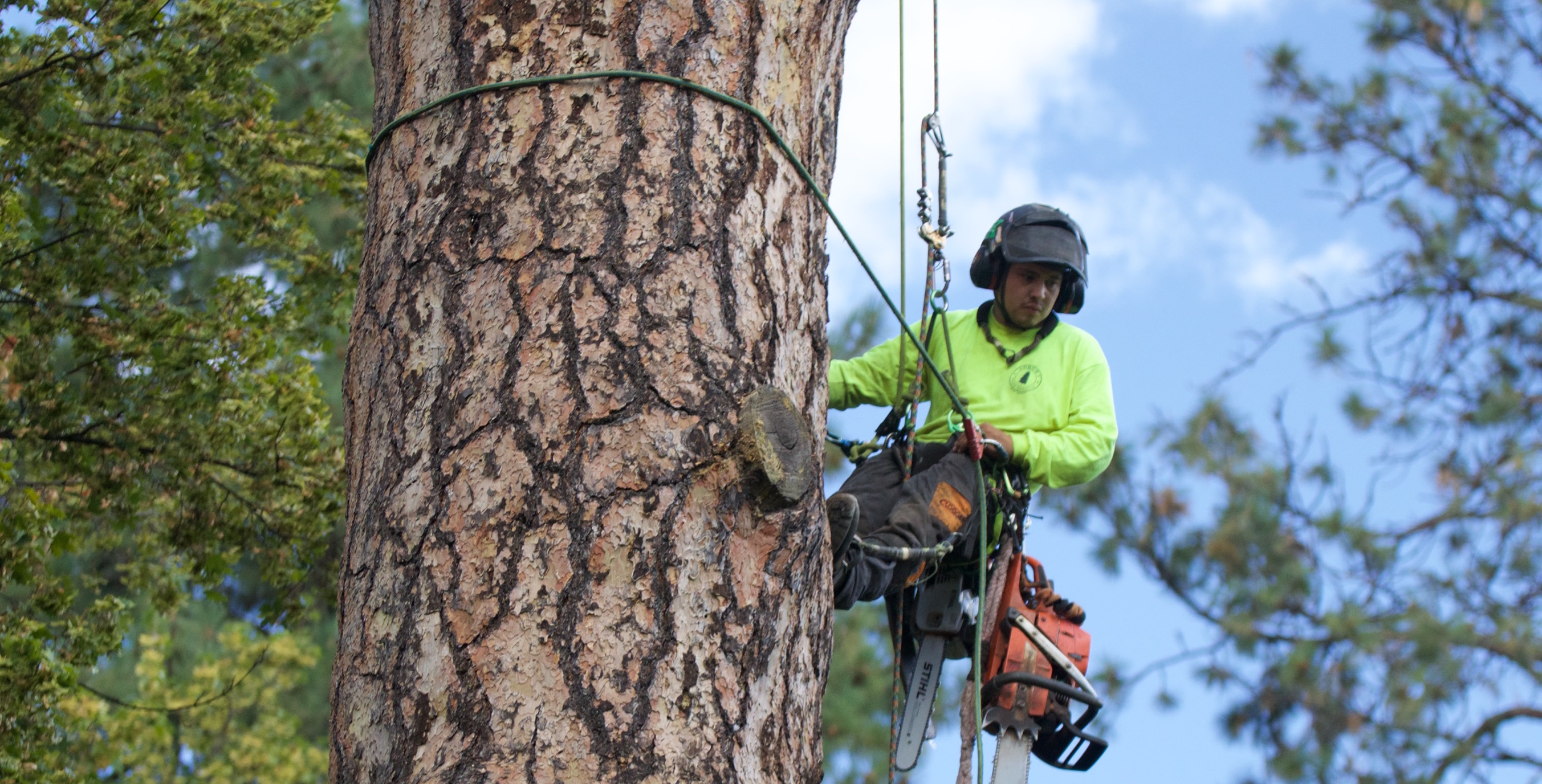
After powerful weather events occur, the consequences often leave trees in perilous conditions, creating threats to buildings and people. Trained arborists are essential in crisis management, assessing trees harmed by the storm to check how safe and healthy they are. Their expertise allows them to identify which plants can be saved and which present immediate dangers that must be removed.
Using professional equipment, they can carefully cut damaged boughs and clear debris, reducing additional harm to surrounding areas. They also provide valuable advice on preventive measures, such as selecting resilient tree species for upcoming installations.
In addition to immediate response, arborists help homeowners understand the potential long-term effects of storm damage, providing advice for restoration and healing. Through quick and effective action, these experts do more than just secure homes but also help in the renewal of the local environment following major weather events.
Tree Nutrition and Ground Care
Following the aftermath of storm damage, focus shifts to the well-being of the trees that remain, highlighting the significance of nutritional support and ground care. A qualified tree expert evaluates ground quality and tree health to ascertain exact dietary needs. Trees need essential nutrients, like nitrogen, phosphorus, and potassium, to recover and thrive post-stress incidents.
Ground care plays an essential role in how nutrients are accessed and the growth of roots. Experts might advise soil amendments, including organic matter, to improve soil structure and microbial activity. The correct pH balance are also evaluated, as they impact nutrient uptake.
Incorporating mulching techniques can help the soil hold water and suppress weeds, making a suitable condition for the tree's recuperation. With a detailed feeding regimen and implementing effective soil management strategies, arborists guarantee trees regain strength, resilience, and total well-being, which is critical for maintaining a balanced ecosystem in the wake of ecological disruptions.
Frequently Asked Questions
When Should My Trees Be Checked?
Trees should be checked annually for peak health. Yet, checking them more often could be needed for younger trees, after severe weather events, or if distress or illness becomes apparent.
What Qualifications Should I Look for in an Arborist?
In your search for a tree expert, one should prioritize certifications like ISA (the ISA) accreditation, relevant experience, proper liability insurance, and a solid name within the community, ensuring expertise in arboriculture and safety practices.
What Specialized Gear Do Arborists Need for Tree Care?
Arborists employ a range of unique equipment for tree care, such as chainsaws, pruning shears, climbing gear, and stump grinders. Each tool serves a specific purpose, allowing for proper upkeep, pruning, and tree extraction while promoting overall health and safety.
How Do Weather Conditions Affect Tree Health?
Weather conditions greatly impact tree health; excessive rain can lead to root rot, while lack of water weakens trees. Harsh weather conditions often result in harm to leaves and branches, consequently impacting development, sturdiness, and general health of the trees.
Am I able to care for my trees personally, or Do I need to call in a specialist?
Even though a few fundamental tree care duties can be performed by individuals, calling in a specialist is frequently the best option - Florence Arborist. Professionals have the necessary tools and specific knowledge, ensuring that trees receive the proper care necessary for ideal health and growth